10 Tips for Recovering from Postpartum Depression
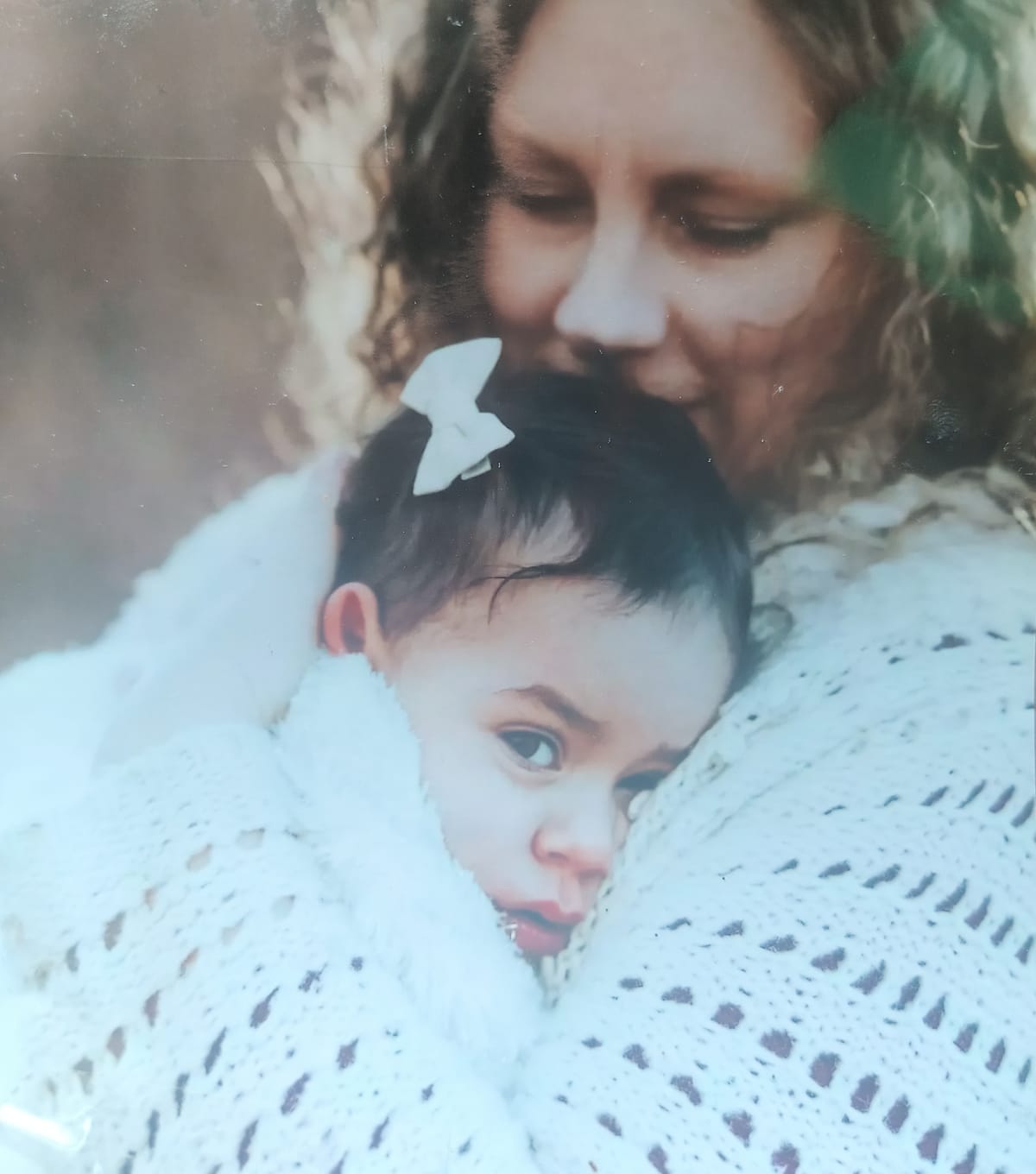
There were several times in my motherhood journey where I thought I had lost myself because of postpartum depression.
Overwhelmed with small children at the time touched out, over tired, burdened by the invisible load of motherhood, being on the go all day but never feeling like I got anything done, I was beyond tired.
My newborn would refuse to sleep very long out of my arms and I had tried everything or thought I did. I had difficulty accepting that this baby was nothing like the others nothing like my expectations. I thought I was going to know what to do this time and when nothing worked it sent me into a spiral. My time, my energy, and my emotional battery ran out and I stopped being able to feel.
Disclaimer: My story is a personal account of my own journey with postpartum depression, and it should not be taken as a substitute for professional advice.
Realizing Postpartum Depression doesn't always look how we expected it would
The void that set into my life and my emotional state was interrupted only by bouts of rage and resentment, and depression.
I loved my children so deeply but became unable to enjoy them, to enjoy life. I had heard of postpartum depression and anxiety but “this wasn’t it,” I told myself. Depressed people cry. Depressed moms are sad. But what I felt was anger: towards my husband for sleeping, for getting to go to work, for not having functioning nipples. Anger towards my friends with older kids, for not having to deal with a newborn and the other children 24/7, for having children with independence. Anger towards my childless friends, because they were childless, because they could sleep at night, because they didn’t get it. Anger towards my older child for still needing me, for not understanding, for doing all the things that kids do. Anger towards my baby for not accepting the food, nourishment and love I was so desperately trying to pour out onto him. Anger towards my lack of a support system that I felt every other mother in the world had access to except for me. I was also angry at myself that I couldn’t feed my baby and that I was unable to soothe or comfort him, and I felt guilty for being angry.
So why don’t moms ask for help with their mental health?
The doctors didn’t help much in the beginning, not because they didn’t care, but because they didn’t ask me the questions I needed and I didn’t have the energy to explain it. They ask, “have you ever considered hurting yourself or your baby?” The question is on the list and they must ask it, but I needed more.
When you struggle to get out of bed or find any joy or feel empathy and angry at the world around you to the point that daily functioning becomes limited, these are signs you are not okay. But depending on your practitioner, the medical lense may not allow for reading between the lines. I wish I knew to be more open about my feelings, and to not be ashamed, because doctors do care, and they can help.
Postpartum Depression & Anxiety:
We need to do better at recognizing the signs of perinatal mood disorders
Postpartum depression can manifest itself in a million different ways, and we do ourselves and the entire mom community a disservice to pretend that there is one prescribed way.
Too many moms have difficulty spotting it because they are looking for one specific set of symptoms and yet it is different for everyone.
I have since learned that postpartum depression can manifest as anger and rage. It is actually quite common- though less spoken about. Mothers who struggle with postpartum depression often carry guilt, shame and a deep level of secrecy. While there is plenty of literature and professionals out there to support women with mental health struggles in motherhood, the stigma surrounding the topic stops moms from feeling like they can reach out for help. And yet, help is what we need.
Getting the help I needed: My journey from the postpartum pit back to wellness
I reached out for help and I never looked back.
Once I advocated for myself , and Just hearing someone tell me that I wasn’t crazy for feeling what I was feeling was incredibly healing. So what DID I do to cope with postpartum depression?
1. I spoke with my Naturalpath Doctor, as well as my Medical Doctor.
I knew there must have been some type of vitamin deficiency or something triggering these crazy anger and postpartum depression symptoms. They took blood work, gave me a a paper of questions and we came up with a plan that would fit my nutritional needs and bodies needs.
New fathers can also experience a shift as a new father. It would be a good idea to talk to a medical professional if that is also needed.
2. I began to advocate for myself in my family and ask for help.
To my own disappointment, I realized I couldn’t do everything on my own. I was fiercely independent and did not want to accept help. I learned how necessary it was to ask for help in that season from my partner and other people in my support system. Letting go of control and lightening my load a little made a big difference.
- Sleep
Lack of sleep was extremely important to my mental health. Sleep deprivation made me see the world through a very different set of eyes. So I rested when the baby rested and asked for help just to take a nap if needed. I literally felt like a new person. It was not easy, but once it was done and I was able to sleep more, I began to feel much more like myself again and could give more to my family.
4. I began to prioritize diet and exercise
This was hard for me. I had gotten used to not exercising because I was far too exhausted to. I had gotten used to eating everything in sight because it felt like it was the only thing I could control anymore. The pantry was a place where I felt spurts of happiness. I began with leaving the house for daily walks and limiting my sugar intake and made sure I had protein filled snacks and ate nutritious foods. When I say it helped, I mean it.
5. I began to prioritize myself and practice selfcare
I got used to neglecting my needs but I finally realized that by taking care of myself FIRST, I would have more to offer my family, and would feel less resentment towards them because of it. Instead of being on the back burner, giving what I didn’t have and then being angry that there was nothing left for me, I started to make time for the things I enjoyed doing like painting, swimming, long walks in nature, reading, dancing and so much more.
6. I worked on my comparative mindset
Without realizing it I had been comparing both my mothering and the development of my children to anyone around their ages both in real life and on social media. I started to do the work of realizing that every mom may be good at something or have something easier than me but that doesn’t mean she is good at EVERYTHING and that she has everything easier than me. It helped me give myself grace for my failings and to acknowledge what I WAS good at.
7. I got help for my child
Once the fog started to lift off my emotional state it helped me to do more research and try more things for my son who struggled to sleep alone. While I was attempting my very best before, it wasn’t until I had slept a little more and felt more supported that I had the energy to dig deeper into how I could help my son through his sleeping issues which were huge contributing factors to my mental state. Eventually with time and support we were all able to get more rest and everything worked out way through.
8. I sought out mom friends or a community and family.
I began to reach out to friends and family for support, because self isolation wasn’t cutting it. I deeply required adult interaction. I found people who could show up when I needed them, emotionally or physically. I began to form a sort of tribe or community around me so that if I had a need or just needed to talk, there was someone there. Becoming vulnerable was essential to my healing from postpartum depression.
9. I left the house
I began to realize that even the smallest moments of freedom had major effects on my well being: feeling fresh air on my skin, getting into the car without carrying a car seat and half the house, and grabbing a tea and drinking it as I strolled through the store. Being out of the four walls of my home that I closed me most days were very helpful. I would return with a fresh set of eyes, everytime.
10. I lowered my standards
Like many women, I struggled with perfectionism. I wanted to do motherhood right, or at least the very best and most informed way I could. I read all the books and thought I knew everything I SHOULD do in those first few years. My depression and exhaustion forced me to put the music on, to feed food out of packages, and to leave the mess. Through being forced, I realized that nothing fell apart and in fact I got a chance to shower or rest. My kids were still alive and thriving. Nothing fell apart, including me. Lowering my standards gave me more time for me, for rest, for being present, and for play. Just being present and not in a hurry. After all it was ok to just enjoy, rest, and be.
These 10 strategies not only helped me get through my postpartum depression but they have also gotten me through the last 22 years of motherhood.
The importance of getting help: Motherhood can be hard.
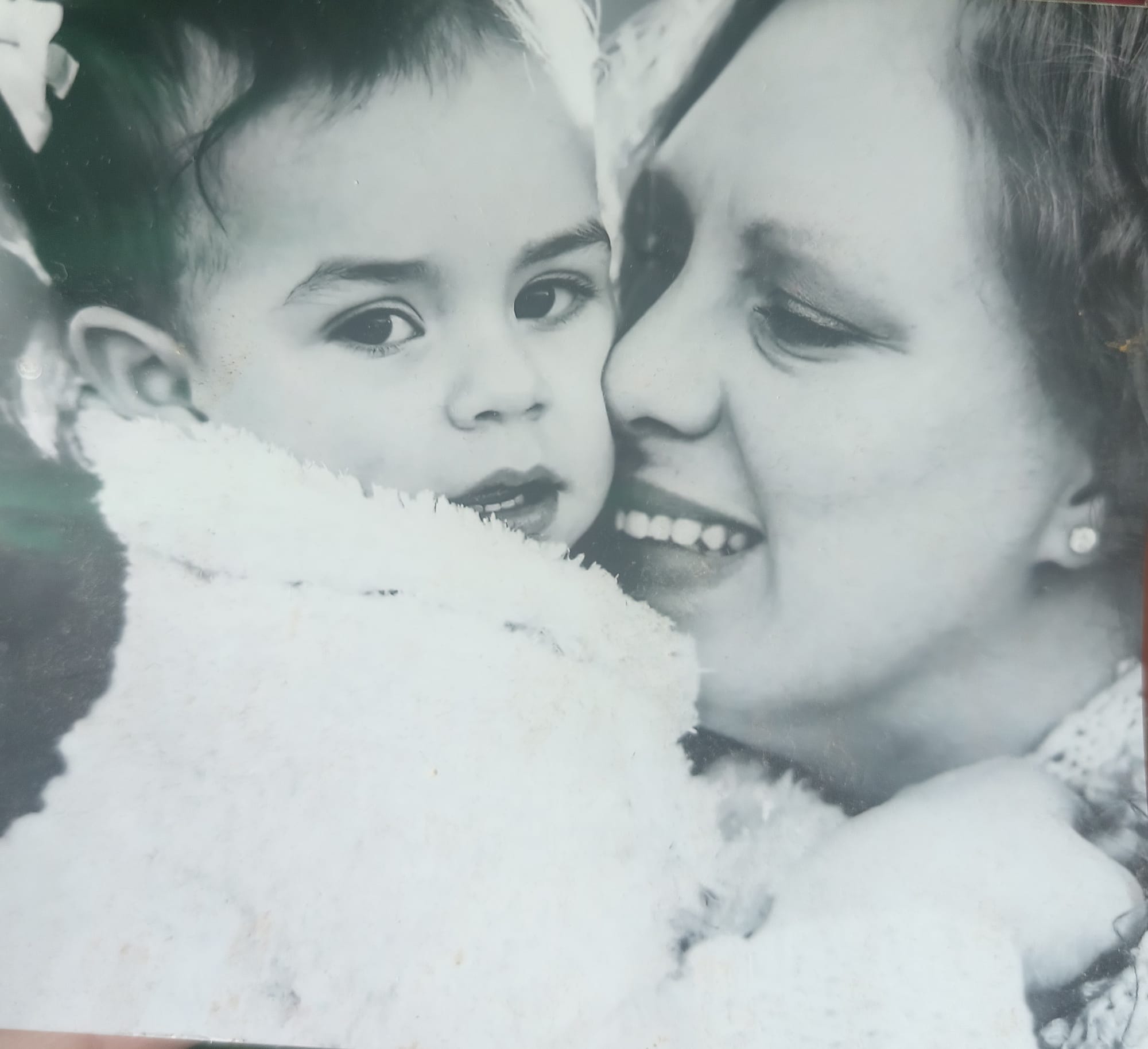
Being forced to lower standards, finding some me time, getting the right amount of sleep. Taking it slow and peaceful got me through it each time.
They say “It takes a village to raise a child,” but I think the village has more to do with the mom. When a mom has a village and feels supported, when she doesn’t feel alone, that mother is empowered to get help and to be the best version of herself. As moms we don’t just need to be the best version of ourselves for our kids, but also for ourselves. We deserve to feel well. To the postpartum mother: it will get better.
Motherhood is an incredible privilege and can be a beautiful journey but for many moms it hard with deep dark valleys. If you are in a valley right now, I see you. I hope these 10 steps can help you on your journey to the other side of postpartum. Start with talking to your doctor, there is no shame in medication, herbs, vitamins, and sleep. There are so many other ways you can get on the path to being you again. You’re a great mom, no matter what you tell yourself or feel rate now!
You are not ALONE join me on my Motherhood journey. Subscribe
